1. Safety talk
The team explains how to avoid sticks, what to do if someone is exposed and who should stay out of the area.
Dunwoody, GA · DeKalb County
Do not pick it up. If you see a needle, lancet or syringe in Dunwoody, call (877) 812-4220 and let a cleanup team handle the sharps removal, sealed containers and disposal.
If anyone is in danger, call 911 first. For a suicide crisis, call or text 988.
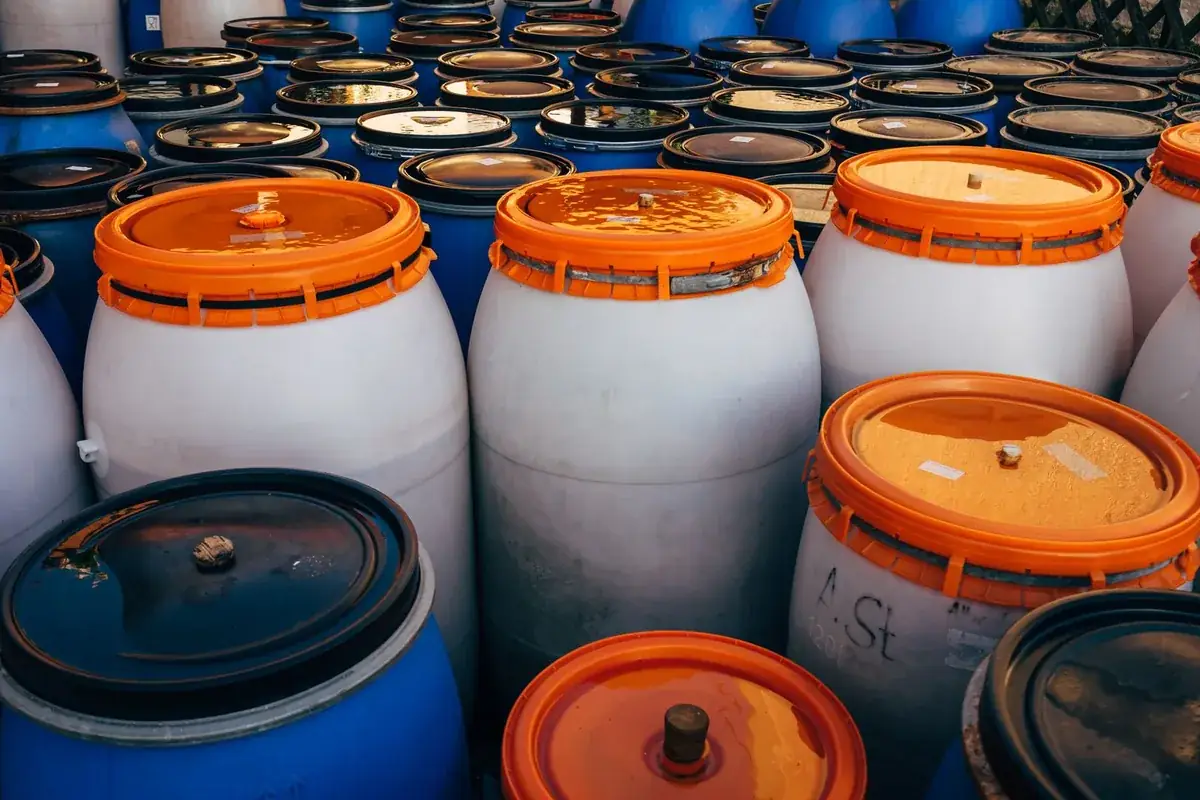
Sharps contamination happens when needles, blades or glass with possible blood on them are left where people can reach them. Cleanup includes collection, disinfecting nearby surfaces and sealed transport.
When your rental, lot or storefront in Dunwoody has needles on the ground, call Dunwoody Biohazard Cleanup Help for a full sweep. Crews work quietly across DeKalb County and can arrive in an unmarked vehicle if you prefer privacy.
With roughly 44% of Dunwoody households renting, turnover is common and units are checked between tenants. After a needle stick, wash with soap and water and get medical care. Saint Joseph's Hospital of Atlanta, Inc in Atlanta is the closest emergency room to Dunwoody.
The work often covers:
The team explains how to avoid sticks, what to do if someone is exposed and who should stay out of the area.
Long tools let the crew lift sharps without reaching. Nothing is picked up by hand.
Sharps go into labeled containers without being recapped, bent or picked up by hand.
The room is cleaned, odors are handled if needed, and the owner gets a summary of the work.
The cost of needle & sharps cleanup in Dunwoody, GA depends on the amount of material, how it is packed and how it is hauled.
Timing can matter. A same-day need near a school or play area may be scheduled differently from a sweep planned for next week.
| Type of job | Typical range |
|---|
These ranges come from published cost guides () and are not a quote for Dunwoody. Price drivers include number of items, where they are found, whether a sweep of a large area is needed, waste disposal. For a real number, call (877) 812-4220.
A small yard or single room can be quick, while a building or large lot takes longer. Clutter, hidden spots and the amount of sharps affect the time. A cleanup team can give a realistic idea once it hears the details.
Safer options exist. Many cities and health departments have programs for found needles and may give instructions or send someone. If you are unsure, do not touch it. Leaving a needle in place and keeping others away is safer than risking a stick.
Some cities and counties collect found needles from public land at no charge, and many do not. Availability varies. The local health department or public works office can say what exists where you live, and a cleanup team can help with private property.
Do not go in to look. Report it to the owner, the local health department or a cleanup team. A team can sweep the whole building in protective gear, remove the sharps and give the owner a record of the work.
A local biohazard cleanup team can search the area and remove needles and other sharps. Some cities and health departments also help with found needles on public land. For a single needle outdoors, the health department is a good first call, and for anything bigger, a cleanup team.
Loose needles should not go in household trash, because they can stab sanitation workers. Rules for small amounts of household sharps vary by city and county. The local health department can say what is allowed, and a cleanup team can take larger amounts.
A full sweep finds the needles you can see and the ones you cannot.
Call (877) 812-4220